
By Jaco Jooste
A great marketing campaign can get customers through the door, but the in-store experience determines whether they buy, return, or switch brands altogether.
Today’s consumers expect seamless experiences at every touchpoint, from digital promotions to shelf availability and customer service. But for many brands, there is still a gap between what is promised and what shoppers actually experience in-store.
As retail environments become more competitive and customer expectations continue to rise, consistency has become a major differentiator.
In this article, I take a closer look at how brands can stay relevant while bridging the customer experience gap to ensure they thrive.
What is the Customer Experience Gap?
The customer experience gap occurs when strong marketing, promotions, or digital campaigns don’t align with the in-store reality.
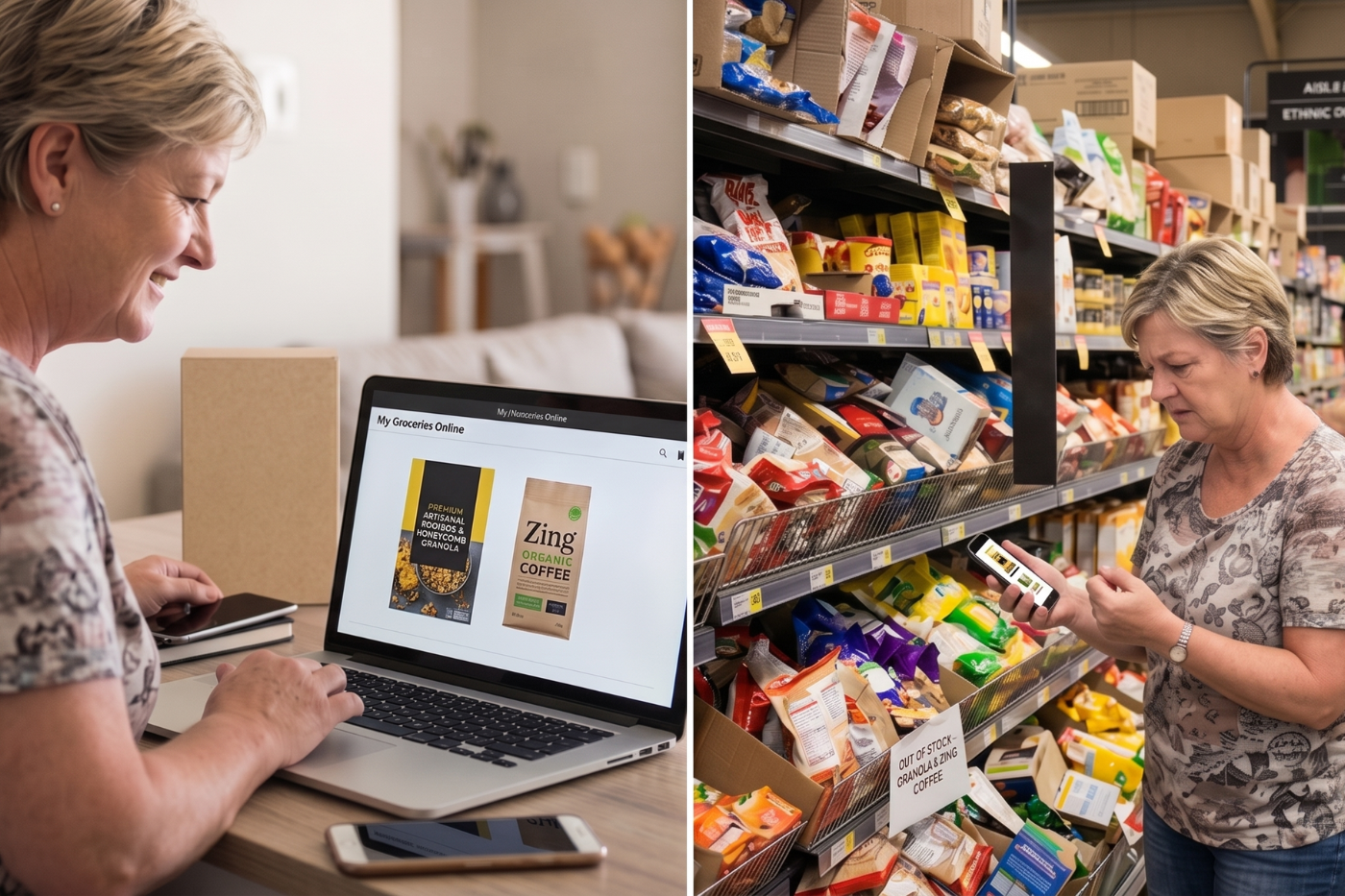
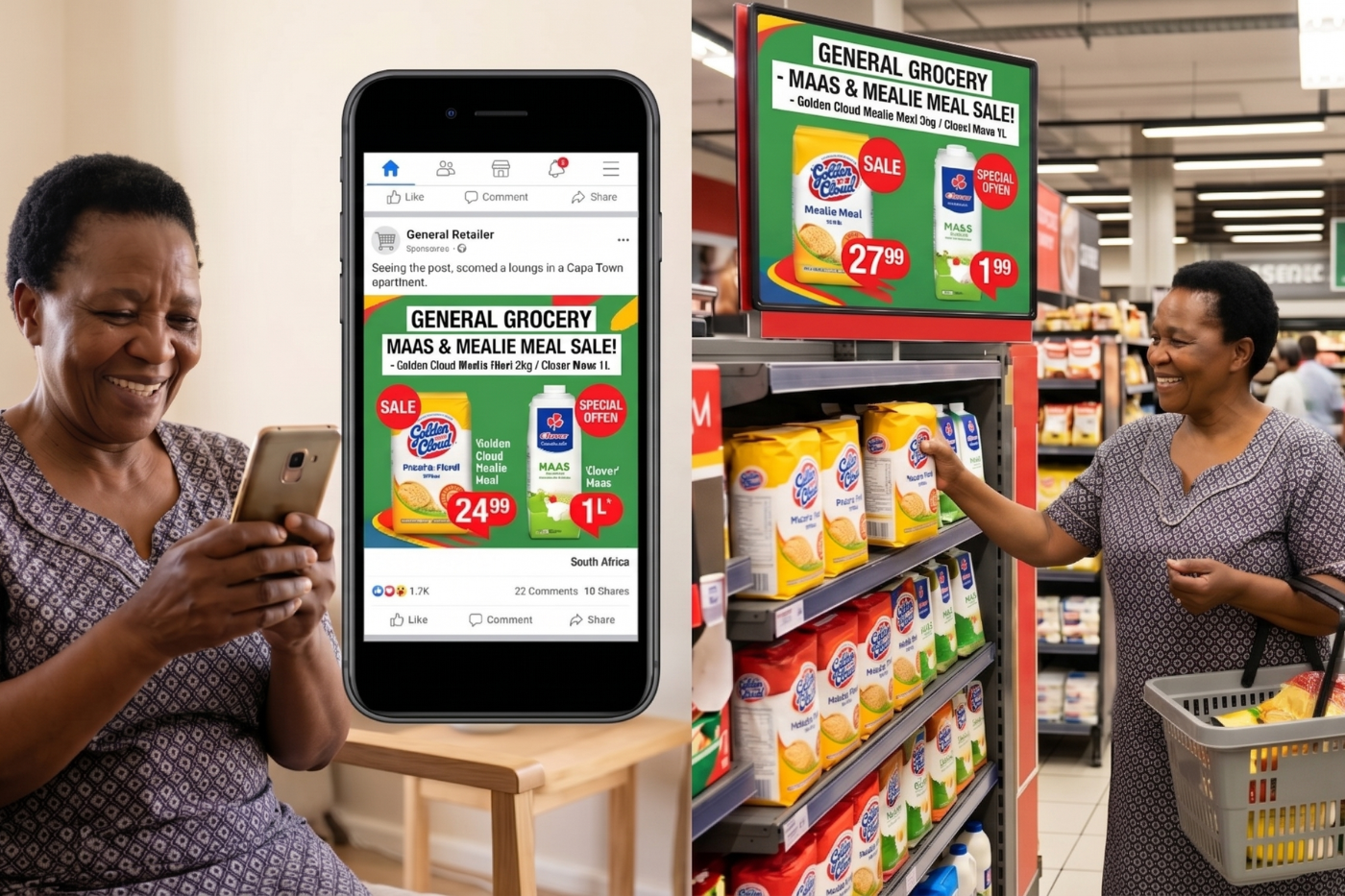
For example, a customer might see a product advertised online, only to find it unavailable on the shelf. Or a promotion may look exciting on social media but be messy and chaotic in-store. Both these instances can weaken brand trust.
Today’s consumers notice these gaps quickly. With more choices available on the shelf, they are less willing to tolerate poor experiences or inconsistencies.
For retailers and FMCG brands, the customer experience gap directly affects loyalty, sales, and long-term brand perception. Closing that gap requires consistent execution at every touchpoint, especially where buying decisions happen.
Why the Customer Experience Gap is Growing
Omnichannel shopping expectations
Today’s consumers move seamlessly between digital and physical shopping experiences.
They might discover a product on social media, compare prices online, and then purchase it in-store. As a result, customers expect consistency across every touchpoint.
When the in-store experience doesn’t match the online promise, frustration builds quickly.
Faster consumer decision making
With endless product options available, brands often only have a few seconds to capture attention and build trust.
Poor shelf visibility, unclear promotions, or out-of-stock products can immediately push shoppers towards competitors.
Increased digital influence
Digital platforms continue to shape how consumers shop. Reviews, influencer content, and online recommendations all influence purchasing behaviour before customers even set foot in a store.
This creates higher expectations around product availability and customer experience at the shelf level.
Higher expectations around convenience
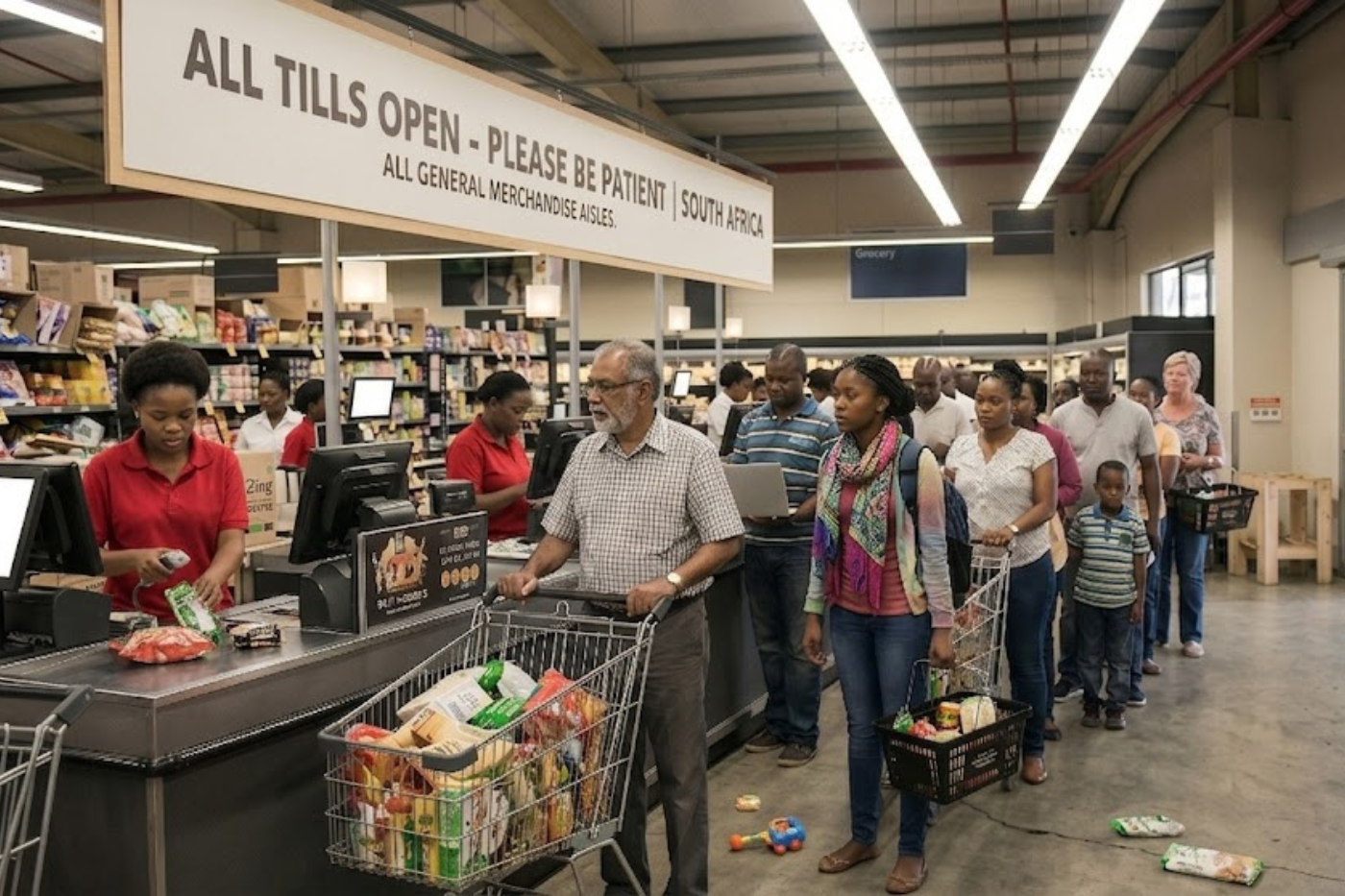
Convenience has become a major competitive advantage. Consumers expect shopping experiences to be quick and simple.
This means long queues or difficulty finding products can negatively impact brand perception and customer loyalty.
How Brands Can Bridge the Customer Experience Gap
Prioritise shelf execution
No matter how strong a campaign is, the in-store execution influences the final purchasing decision.
Strong shelf visibility, accurate pricing, product availability, and well-maintained displays are all key factors to convert interest into sales. Consistent execution at the shelf level helps brands remain visible, credible, and competitive.
Align marketing with reality
Customers expect consistency across touchpoints. Misalignment between marketing and execution is what creates frustration and weakens trust.
But brands that ensure their messaging, promotions, and in-store experiences work together to create a smooth customer journey are the ones that win.
Use data to improve responsiveness
Retail environments move quickly, and brands need real-time visibility to keep up.
Data-driven insights identify execution gaps, track product performance, and enable faster responses to prevent issues that affect the customer experience.
Smarter decision-making leads to stronger consistency and better retail outcomes.
Focus on the human experience
Customers want shopping experiences that feel effortless. From store layouts to staff interactions, every point contributes to how a customer perceives a brand and whether they choose to return.
The Business Impact of Closing the Gap
Closing the customer experience gap helps brands create consistent, reliable experiences that build stronger customer trust and loyalty.
When customers can easily find products and trust promotions, they are more likely to return and recommend the brand to others. Strong execution also improves conversion rates, increases basket sizes, and reduces the risk of losing customers to competitors.
Stay Ahead with Meridian
Customer experience is shaped long before and long after a product reaches the shelf.
Brands can no longer rely on strong marketing alone; they need a partner who understands how to close the customer experience gap and help them thrive.
The Meridian team is equipped and ready to help your brand build customer loyalty through consistent and reliable merchandising solutions. Reach out to us today to find out more.