
How Eco-Conscious Shopping is Changing Retail Execution
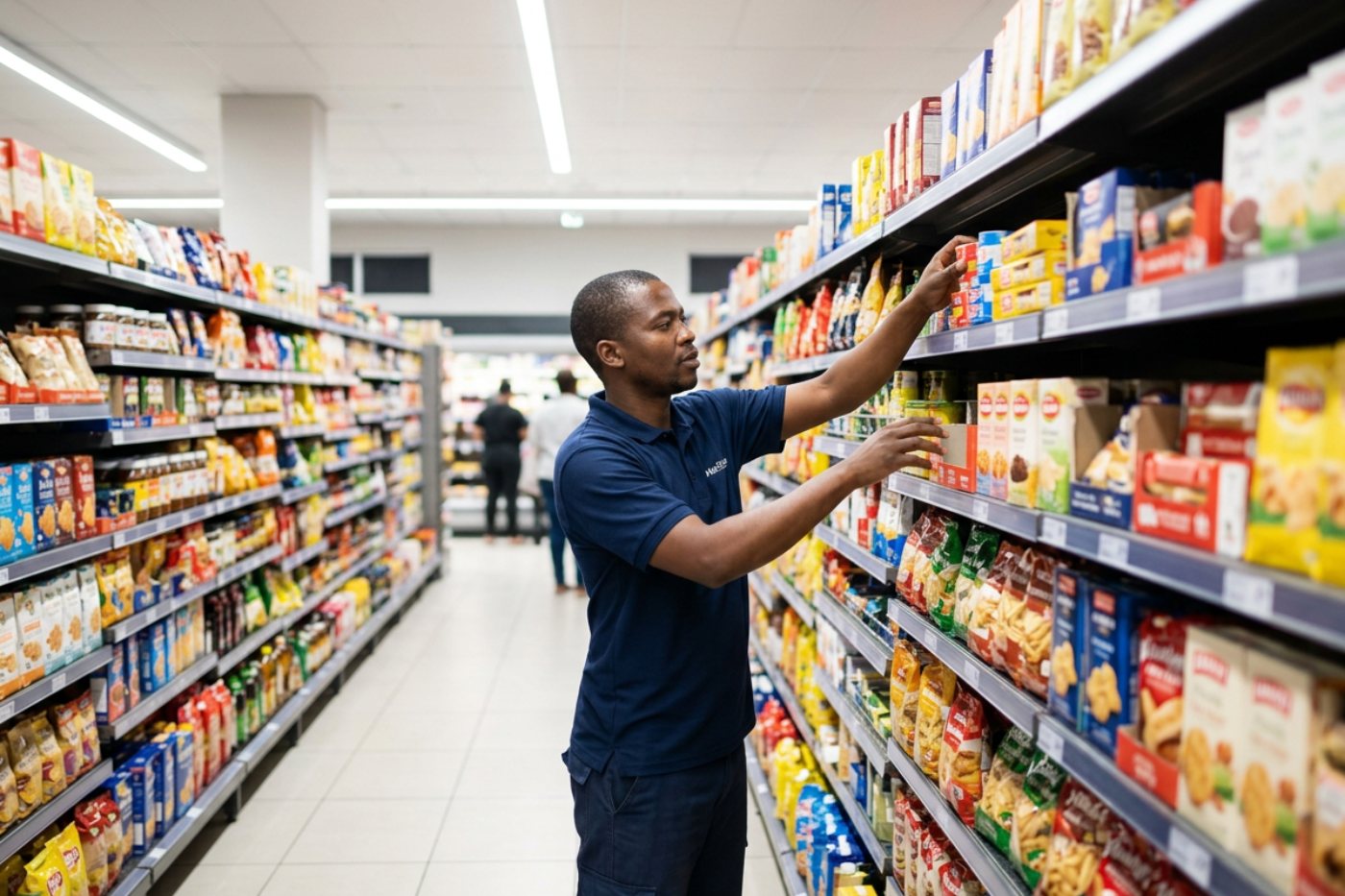
Every brand I speak to has a sustainability story. Fewer have a shelf that tells it.
Eco-conscious shopping is changing what South African shoppers look for in store. Brands are launching greener ranges and changing their packaging.
But a greener product only helps if shoppers can find it, compare it and buy it. That happens on the shelf, and it’s where many launches fall short.
Eco-Conscious Shoppers Care but Price Still Decides
South African shoppers feel the effects of climate change. In PwC’s 2024 Voice of the Consumer survey, 93% of local respondents said they experience its disruptive effects in daily life, above the global average of 85%.
But caring is not the same as paying.
In PwC’s 2025 survey, only 44% of South African consumers said they would pay more for food that supports the environment. Rising food costs force trade-offs.
That tells us something about the shelf. The eco-conscious shopper is still price-conscious.
If the greener option isn’t right next to the standard one, at a price they can compare, most will pick what’s in front of them.
Sustainable Products Are Already Winning Share
Demand is there, even if it’s careful.
A 2023 study by McKinsey and NielsenIQ analysed US sales data for 600,000 products and found that products with ESG-related claims, such as “vegan”, “eco-friendly” or “biodegradable”, averaged 28% cumulative growth over five years (2017 to mid-2022). Products without those claims averaged 20%.
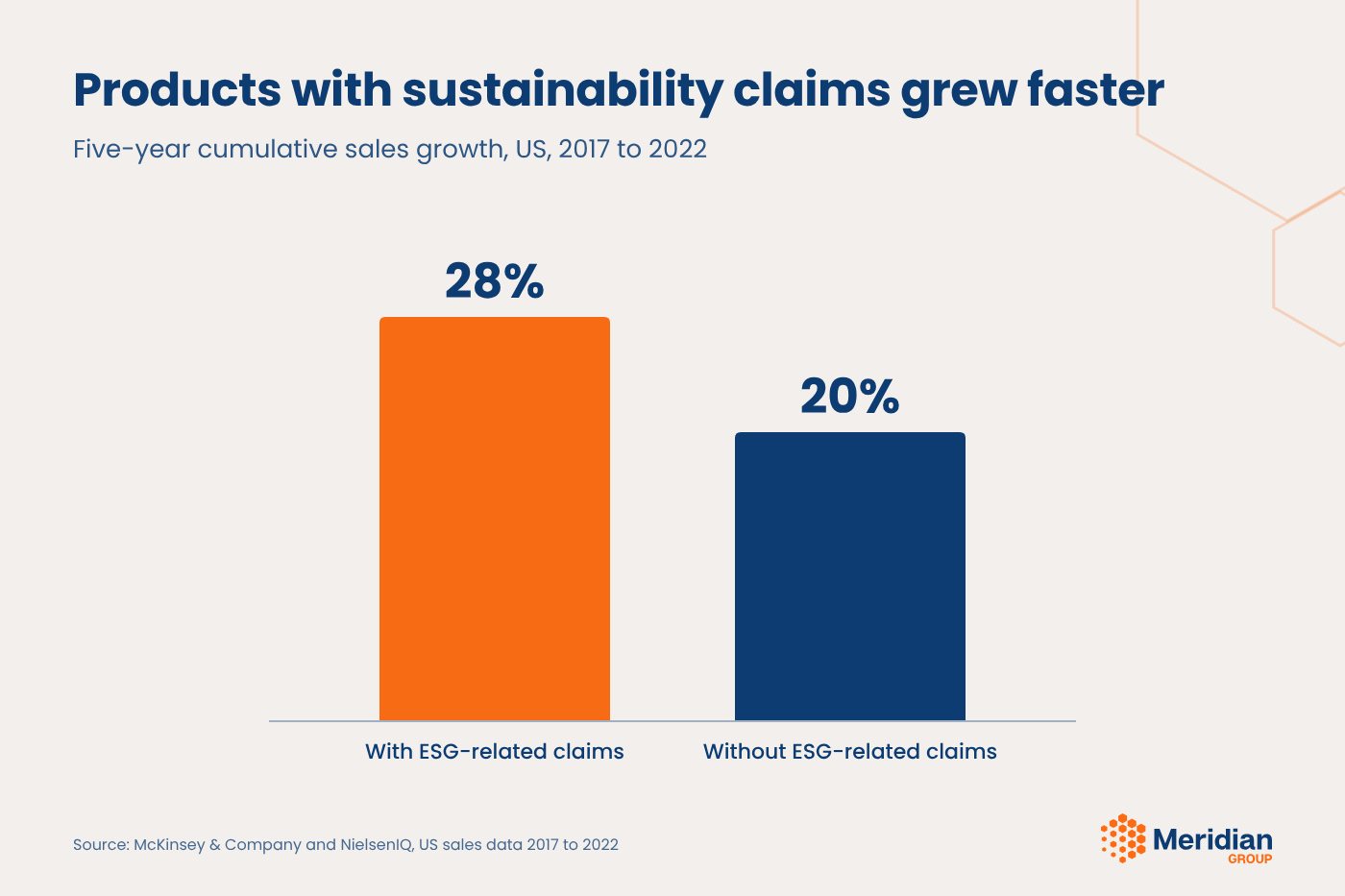
Two things are worth noting. This is US data, not South African, and it shows a link, not a cause, so we can’t say shoppers bought these products because of the claims.
Part of the gap may also come down to how well those products were stocked and supported in store. That’s the part brands can control.
New Rules Mean More Change
Shoppers aren’t the only ones pushing. South Africa’s Extended Producer Responsibility (EPR) regulations require producers to meet targets for collecting, reusing and recycling packaging.
In February 2026, the environment ministry signalled stricter enforcement, according to Packaging Gateway.
For brands, that means new materials, new pack formats and range changes. For the shelf, it means more resets, more planogram updates and more weeks where old and new stock sit side by side.
Where Eco Launches Go Wrong
New lines get thin distribution
A new eco line usually starts with fewer facings and patchy listings. This means small volumes sell through fast, and the gap stays open until the next order arrives.
A shopper who came looking for the greener option finds an empty space, and buys the standard line or a competitor’s instead.
Pack changes don’t land
When a brand changes its packaging, the switch rarely happens on the same day in every store. Old stock lingers, new stock waits in the storeroom, and planograms fall behind.
The shopper sees a mixed, messy shelf instead of a clear upgrade.
The eco-variant is placed away from mainstream products
Some stores put the greener line in a separate section or on the bottom shelf. That breaks the comparison.
The value-driven shopper needs to see both options side by side to choose. If they can’t, they reach for the pack they know.
Turning Sustainability Into Sell-Out
None of this gets fixed in a boardroom. It gets fixed in the aisle, one store at a time.
In practice, that means:
- Checking the agreed range, including new eco lines, at every store visit.
- Keeping planograms accurate through every pack change.
- Making the greener variant easy to find next to the standard line, where the planogram allows.
- Following up on the gaps that keep coming back.
That’s the work our merchandising teams do every day, and it’s why we built Meridian Nexus. With Nexus StockFix, our field teams flag stockouts and low stock lines on the shop floor during every visit.
Clients get a weekly Inventory Insights dashboard, including distribution gap analysis, and a store-by-store summary of what we fixed and where we still need their support.
Stock gaps cost sales every day they go unresolved. StockFix lets our teams identify and resolve them during the store visit, so the shelf is fixed before the sale is lost. Want to see the results? We share real case studies in a Nexus demo.
Win the Shopper and the Shelf with Meridian
Eco-conscious shopping will keep growing as the rules tighten and shoppers learn what to look for. But a green claim on an empty shelf sells nothing.
If you’re launching a greener range or changing your packaging, start by finding out what’s on the shelf.
Meridian is South Africa’s shelf execution specialist, accountable for what the shopper actually finds.
Request an Execution Audit, and we’ll show you what we’d fix on your shelves.
A green claim only sells on a full shelf.
We check, fix and report on your shelves store by store, so greener ranges land where shoppers can find them.
Request an Execution Audit