
Retail Execution Data: From Gap to Fix

Most brands I work with have more shelf data than ever. From scan data and photo audits to dashboards and weekly reports.
Yet shoppers still walk up to gaps where those brands should be.
The cost is huge. IHL Group’s 2026 Inventory Distortion Study puts the global cost of out-of-stocks and overstocks at $1.7 trillion a year, or 6.2% of global retail sales.
In my experience, the gap that costs brands most is the time between spotting a problem and fixing it, and whether anyone owns that fix. This blog dives into how we fix that.
The Shelf Still Decides the Sale
An empty shelf does not delay a sale. It hands the sale to someone else.
In Profitero’s 2026 shopper report, US shoppers’ most common response to an out-of-stock item was to buy a similar product from another brand in the same store (36%).
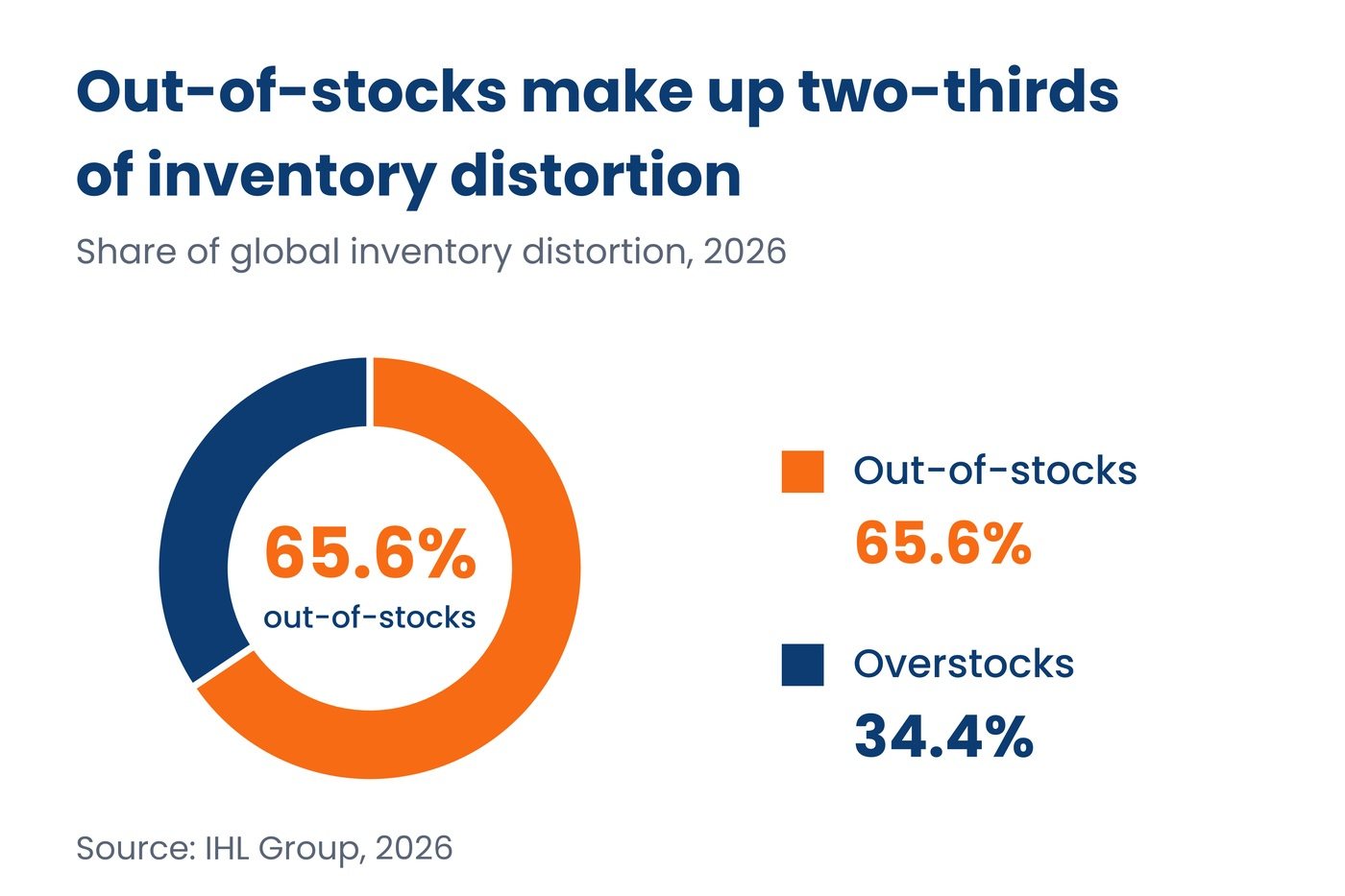
A similar share (33%) stayed with the brand they came for. Out-of-stocks are also the bigger part of the problem. IHL estimates they make up 65.6% of global inventory distortion, with overstocks accounting for the other 34.4%.
South African shoppers are under pressure too. NIQ found that 64% of South Africa’s major FMCG categories saw shoppers become more price-sensitive, on both regular and promotional prices.
Plus, NIQ says a growing share of South African FMCG goods are now sold on promotion.
That makes every gap more expensive. When a promotion meets an empty shelf, your trade spend pays for a shopper to try your competitor.
Faster Data Doesn’t Automatically Fix Your Shelf
Retail technology is often judged by how fresh the dashboard is, but in reality, that’s the wrong test.
A report still needs someone in the store to act on it. If no one owns the fix, the gap stays open, no matter how quickly you spot it.
My rule is simple: every gap needs an owner and a date. A report that lists problems without saying who fixed them is a record, not a result.
What Turning Shelf Data into Action Looks Like
We built Meridian Nexus StockFix around that rule. In store, it works like this:
- Our field teams check the agreed range in each store they visit.
- They flag stockouts and low stock lines on the shop floor during the visit.
- Completed visits are recorded on the StockFix dashboard, so area and regional managers can see which stores have been covered and where attention is still needed.
Our clients then get a weekly Inventory Insights dashboard, report and store-by-store summary email.
The email covers what was fixed, what has been actioned and where their support is still needed. That last part matters. The fastest way to lose a client’s trust is to let them find a problem before you tell them.
For one client, across more than 2,000 stores from July to October 2026, missed sales units from stockouts fell by 46%. Replenishable missed units fell by 64%.
Three Questions to Ask Yourself about Your Shelf Data
Who finds the gap first?
If shoppers find your gaps before your team does, you are losing sales that no report will show you.
Your execution partner should flag problems on the shop floor and tell you about them first.
How long does it take to get fixed?
Spotting a gap is only the first step. Ask how long it takes to go from a flagged gap to a full shelf, and who is responsible for closing it.
Does reporting tell you where support is needed?
Good reporting ends with decisions, owners and dates. It should show you where to step in, whether that is an order, a listing or a conversation with the buyer.
That is the thinking behind a sales-led merchandising strategy.
See What We’d Fix on Your Shelves
Data is what we collect. We're here to fill your shelves.
Meridian is South Africa’s shelf execution specialist, accountable for what the shopper actually finds.
If you want to know where your shelves are losing sales, request an Execution Audit and see what we’d fix in your stores. You can also explore our merchandising services or see how Meridian Nexus works.
Every gap needs an owner and a date.
Meridian finds the gaps on your shelves, fixes them in store and tells you first. Speed wins. Trust matters.
Request an Execution Audit