
Dawie du Toit
Digital transformation has reshaped retail. But one thing hasn’t changed: the shelf is still where the sale happens.
Yet many brands’ operational strategies continue to fall short, and the ability to execute seamlessly is becoming a true differentiator.
In this article, I dive into what operational excellence looks like in the digital age, why it continues to fail, and how you can avoid it in your business.
Why Operational Excellence Still Fails
Operational excellence sounds simple, but in practice, it can break down fast. Let’s take a look at the most common reasons why.
Fragmented data
Most organisations are overwhelmed by data that lives in silos. This means merchandising insights often sit in separate systems that don’t connect.
This creates delays, conflicting views, and slow decision-making. When teams aren’t working from a single source of truth, execution slows, and opportunities are missed before teams can act.
Lack of real-time visibility in-store
What’s happening in the boardroom rarely reflects what’s happening on the shelf.
Studies show that when a product is out of stock, only 60% of customers will substitute it with something else and come back later.
That can translate into annual sales losses of 3.3%. Although this may seem minor, the numbers can add up quickly, leading to thousands of customers switching to competitor products.
Execution inconsistencies across regions
Even with the right strategy and supply chain in place, execution on the ground is rarely consistent. Some regions perform well, while others lag behind.
To compensate, many retailers simply add more staff to monitor key products. But this approach only increases costs without fixing the root cause: lack of visibility and execution.
While backed by a strong strategy and solid investment, delivery often remains inconsistent where it matters most.
What Operational Excellence Looks Like Today
Operational excellence has evolved. In today’s FMCG sector, it’s about how quickly and consistently you can turn insights into action, at scale and at the shelf.
Here are three elements that define what good looks like now.
Visibility
You can’t fix what you can’t see. Modern operational excellence starts with real-time visibility across every store, region, and SKU.
Leaders need a clear view of what’s happening on the ground, as it happens. You need to be able to identify gaps, see which stores are underperforming, and which areas need immediate attention.
This is where smart data integration and in-store reporting come together to create a single, reliable view of execution.
This helps to improve visibility, which in turn speeds up decision-making and improves performance.

Accountability
Visibility without ownership means little. Once issues are identified, there needs to be clear accountability across the value chain.
Operational excellence is built on defined roles, measurable KPIs, and consistent follow-through.
For example, you should know who is responsible for fixing a stock issue, who ensures in-store compliance, and who tracks whether the issue has been resolved.
This ensures ownership and accountability, which improves execution over time.
Agility
The ability to respond to in-store conditions is what separates high-performing brands from the rest. Here’s what agility may look like:
- Empowering field teams with the right tools to act in the moment.
- Shortening the gap between identifying a problem and resolving it.
- Adapting execution strategies based on real-time execution.
It’s about working smarter to give your teams the insights, clarity, and authority to act when it matters most.
The Role of Technology
The common belief is that technology will automatically fix execution.
But the reality is that technology is only a powerful tool when it’s built into operational processes that are already strong.
Rapid adoption of tools across the industry is already happening with tech like:
- Mobile auditing platforms that give field teams real-time reporting capabilities.
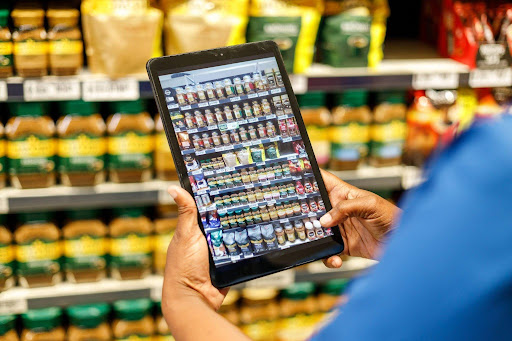
- AI-powered shelf recognition that identifies gaps and compliance issues.
- Route optimisation tools that improve courage and efficiency.
It’s important to remember that the businesses that win don’t necessarily have the most tools. They are the ones that embed technology into their execution rhythms.
Where data drives actions, teams can respond in real time, and performance continuously improves.
Win the Shelf with Meridian
At the end of the day, retail success is simple. If your product isn’t on the shelf, it doesn’t sell.
The Meridian team knows that execution is everything. We combine people, process, and technology to ensure your brands show up where your customers are.
Build a brand that thrives. Get in touch with our team to see how we can help today.